

Climate Risk, Tipping Points and Scenario Planning
A one-day workshop for teams exploring the latest science, the impacts on society and the economy and what it might mean for your business.
Dangerous climate change has arrived and is accelerating. Tipping points – rapid and potentially irreversible changes in climate and ecosystems – are becoming increasingly likely; particularly in the ocean. Iceland has declared the risk of a collapse of Atlantic currents a national security issue. Other governments are starting to wake up to the possibility of cascading impacts from ocean feedbacks such as exponential sea level rise, compounding drought, food shocks and temperature extremes.
This one-day workshop is designed to bring your team up to date with the latest science on ocean-driven tipping points – how likely they are, what they mean in practice and how human systems might respond, including horizon-scanning of potential fracture points in social systems.
This workshop will equip your team to:
- Strategise for Your Institution: Explore what these significant shifts mean for you, your institution, and the broader sector, with tailored strategies to stay ahead.
- Understand Earth System Dynamics: the science of tipping points and unexpected impacts of non-linear changes in earth systems.
- Review Risk Assessment: Critically evaluate the limitations of traditional climate and risk assessment models and their implications for financial decision-making.
- Navigate Social Tipping Points: run tailored scenarios to inhabit possible futures. Gain insights into human system responses to earth system changes and how governments and markets might respond.
Workshop Leaders

Laurie Laybourn, an award-winning researcher and Executive Director of the Strategic Climate Risks Initiative (SCRI), Laurie has led the debate in the UK on climate risk and the inadequacies of current models and responses. SCRI’s pathbreaking work ranges from novel threat assessments of nonlinear climate risks to scenario gaming tipping points. He also holds fellowships at both Chatham House and the Global Systems Institute, University of Exeter, sits on the board of Carbon Tracker, and is an advisor to the UK Climate Change Committee. Laurie regularly writes for a range of publications and appears on TV and radio.
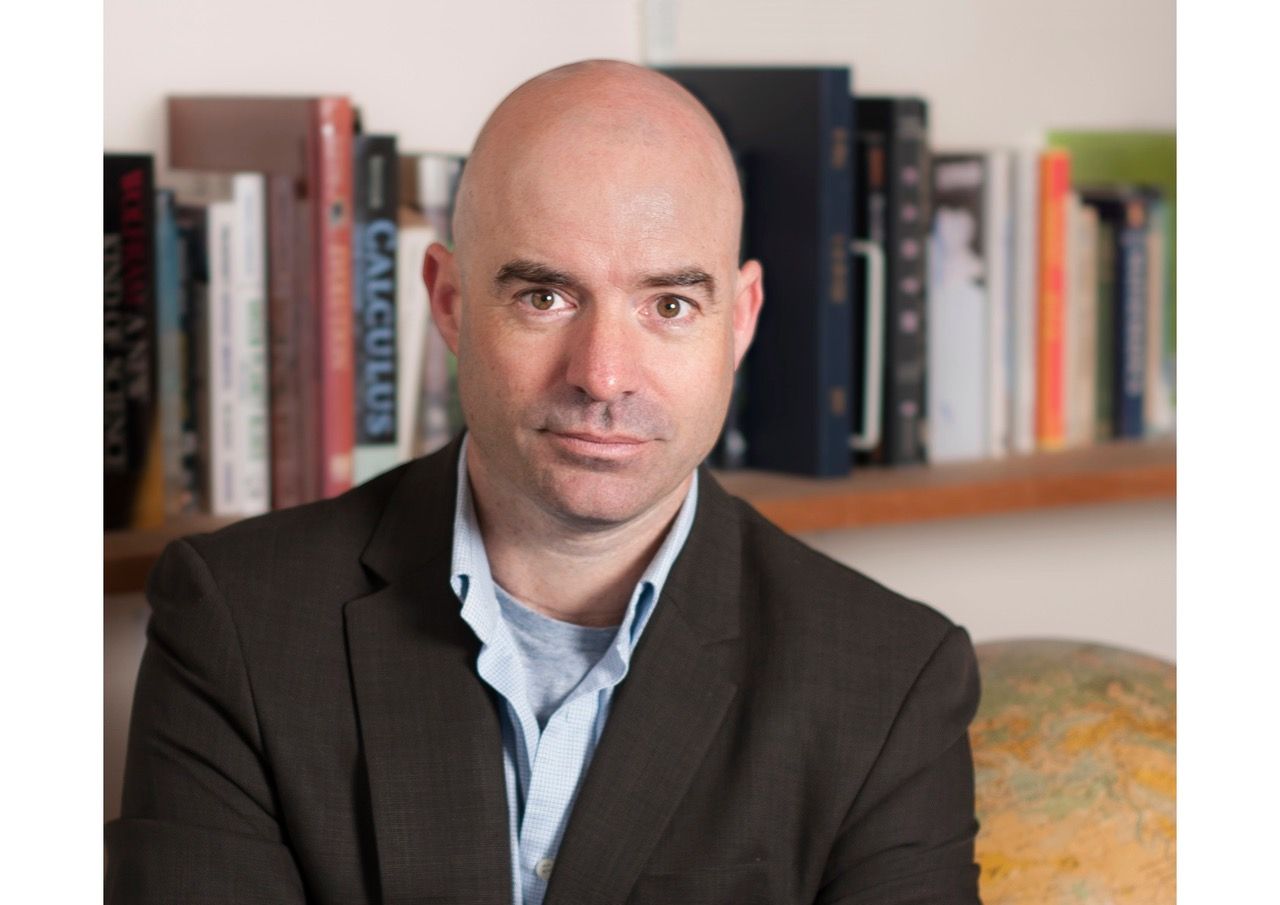
James Dyke, is an Associate Professor in Earth Systems Science, and Assistant Director of the Global Systems Institute at the University of Exeter, a Fellow of the Royal Society of Arts, and Fellow of the European Geosciences Union. He models the dynamics of rapid social and environmental change.James is an award-winning writer having contributed journalism and commentary to international publications for over a decade. His book Fire Storm & Flood: the violence of climate change was published by Bloomsbury in 2021.
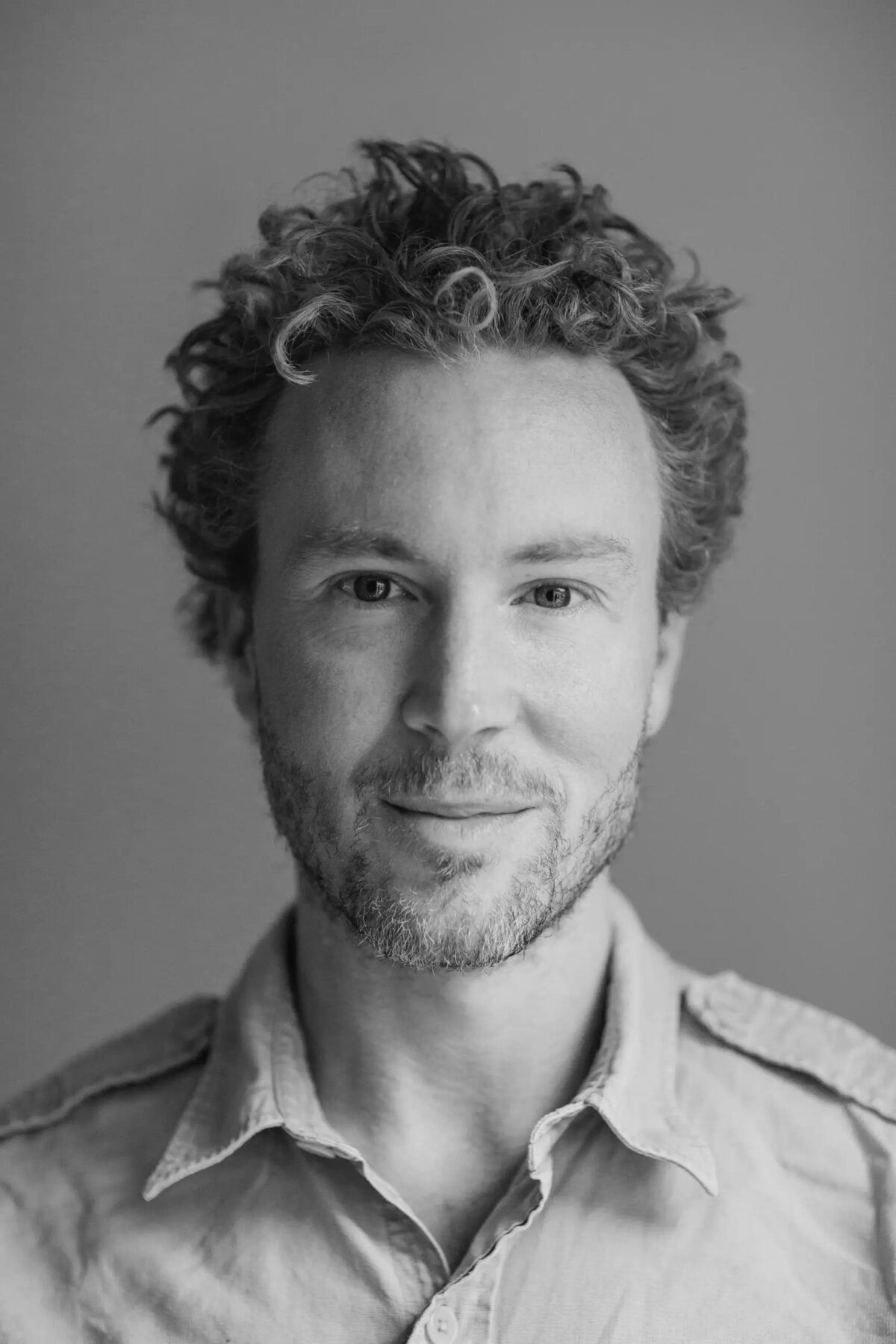
Ben Rawlence, CEO of the world’s first climate adaptation college, Black Mountains College in Wales is also the author of the forthcoming book, The River in the Sea: The Ocean Current That Made – And is Unmaking – Our World (Penguin: 2027). The book is a comprehensive survey of the latest science on the Gulf Stream system and what the changes might mean for ecosystems and the economies that rely on them.
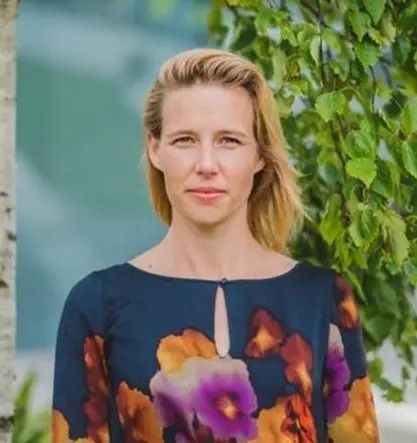
Natalia Eernstman is a lecturer and facilitator at Black Mountains College. With a background in the environmental and social sciences, as well as the arts, and 20 years of experience as a learning designer and facilitator. Natalia bridges education, arts, and science to engage diverse groups in transformative learning.
Who is this for?
C-suite leaders, strategy teams, ESG teams, risk managers, civil servants, fund managers, NGOs, farmers and food industry professionals.
Tailored scenarios in to focus on your business:
- Climate tipping points and cascading risks will disrupt markets, supply chains, and operational stability. Gain actionable insights to future-proof business models, identify blind spots in risk assessment, and align strategy with emerging climate realities.
- Current risk models are ill-equipped to handle rapid, irreversible changes in earth systems. Develop scenarios and stress tests for extreme climate impacts, improving organisational preparedness and continuity planning.
- Anticipate and plan for cascading risks to infrastructure, food systems, and social cohesion.
- Explore scenarios for food security, agricultural adaptation, and supply chain resilience, ensuring continuity in the face of climate shocks.
- Inform long-term planning and investment decisions with a nuanced understanding of climate risks to physical assets.
- Gain tools and frameworks to communicate climate risks and drive action in communities and policy circles.
Practical information
One Day: 0900 – 1700
Location: Your office or chosen location
Fee covers all four workshop leaders, and any additional materials. It excludes room hire and lunch.
Workshop overview
0900 – 0930 Welcome and Introductions
0930 – 1100 Session 1: Understanding The Science
An overview of the latest science with the University of Exeter Global Systems Institute. Global warming is accelerating. The climate may be more sensitive to human impacts than we previously assumed. This session will present hidden vulnerabilities of earth systems you may not have heard about: ocean currents, ocean acidification, ocean stratification and rapid global heating.
1130 – 1230 Session 2: Modelling Risk
The security blind spot: why existing risk assessment models are not fit for purpose. From national security to financial markets with the Strategic Climate Risks Initiative.
1330 – 1500 Session 3: Building Scenarios and Envisioning Futures
Why scenarios are more valuable than data alone. The imagination infrastructure of Black Mountains College. Inhabiting the future as a way to stress test institutions and explore how impacts cascade through systems.
1530 – 1700 Session 4: Bringing It Home
Explore that this all means for you, your team, your organisation and your sector. Leaving with actionable ways forward.
WHY CHOOSE THIS COURSE?
Black Mountains College is a pioneering learning institution that prepares people for a warming world. We deliver accredited and non-accredited courses that bring together rigorous science, climate adaptation expertise, and a deep understanding of how people learn best. Expect a highly engaging, immersive experience that delivers both solid understanding and practicable skills—empowering you to act with confidence in the face of climate uncertainty.
This workshop goes beyond theory—it equips you with actionable insights to navigate climate tipping points, challenge outdated risk models, and use scenario planning to stress-test your strategies. Led by world-leading scientists and practitioners, it bridges the gap between cutting-edge research and real-world application, ensuring you leave with skills tailored to your sector.
Testimonials
” Fantastic content (but also scary). I left feeling far more aware of the challenges ahead of us.“—Investment Analyst, Schroders
“A great course which gave me excellent knowledge on tipping points and why we need to really change our behaviours… I will look at certain interventions differently.”—Fund manager, London
Interested in exploring this course further?
Reach out to Ben Rawlence – ben@blackmountainscollege.uk
Location
Your chosen location
Time & Date
Your chosen date
Course Duration
Full day
Price
Get in touch for fee
-
Apply
Apply now for BA (Hons) Sustainable Futures: Arts, Ecology and Systems Change and our Further Education courses!
-
Student Life
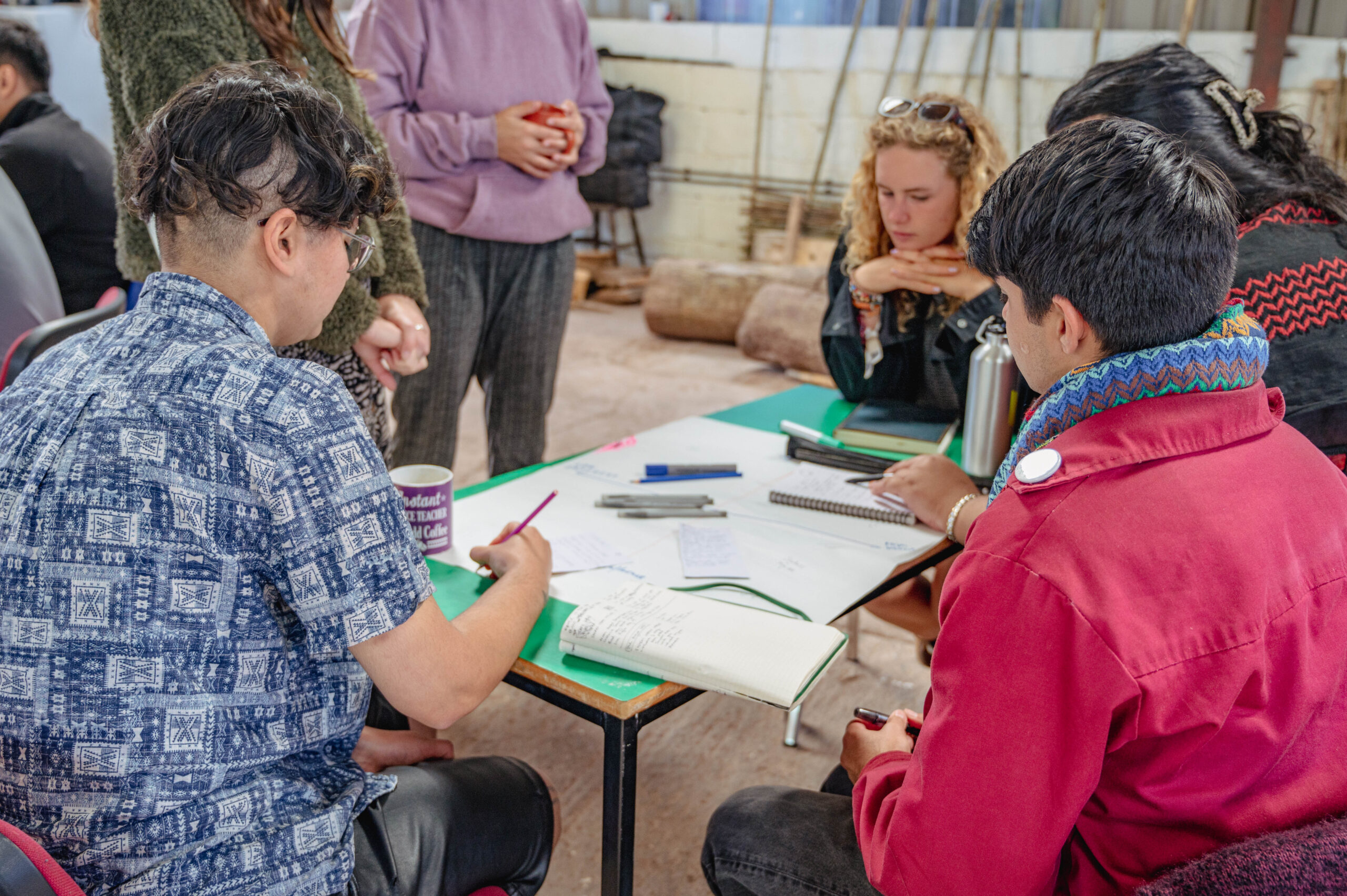
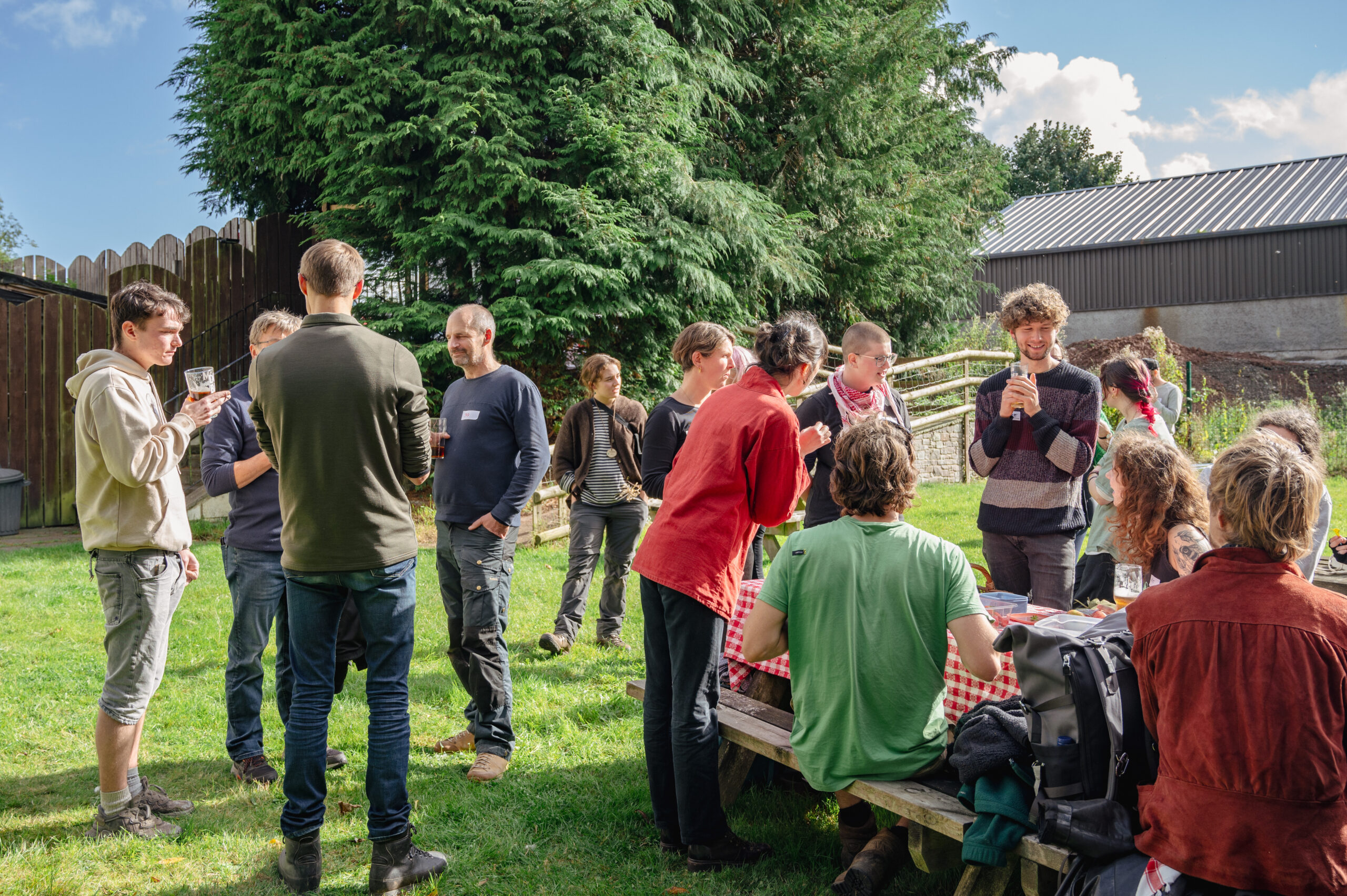
At Black Mountains College (BMC), student life is as unique and transformative as the education itself. Whether you’re studying for a degree in Sustainable Futures or completing a vocational course, your time here will be connected to nature, community, and hands-on learning.
The BMC Prospectus
Download the Black Mountains College prospectus for an overview of our courses, campuses, and vibrant student life
Visit us
Come along to one of our Discovery Days or Campus Tours to explore our campuses and meet your tutors